Copyright Strategy & Registration
Register your catalog and put the law's strongest remedies behind your work.
For Creators
Copyright, trademark, licensing, and the contracts behind a creative business that lasts.
The legal work behind a creative practice you can build a living on.
Register your catalog and put the law's strongest remedies behind your work.
Clear, register, and defend the name and marks your audience knows you by.
Licensing deals and royalty terms that turn your work into income.
Know who owns what when you hire, collaborate, or commission.
Platform, label, agency, and brand-deal contracts read in plain English.
Merch, sponsorships, and new revenue lines built on solid IP.
Predictable legal costs with transparent pricing, clear deliverables, and ongoing protection.
Complete trademark protection, one annual fee
Per mark • Government fees not included
Creators and businesses wanting comprehensive brand protection without hourly billing surprises
Monthly registration for prolific creators
Government fees not included
Artists, musicians, and content creators who regularly publish new work
* Subscription and retainer fees cover attorney services only. Clients are responsible for government filing fees. Initial consultation is a one-time discounted rate of $50.
The legal landscape for creators is shaped by the fact that creative work generates value through copyright, trademark, and contract — each operating differently, each with mechanics most creators learn the hard way. Most creators don't fail legally; they leave value on the table because the contracts and registrations weren't done with the long term in mind.
US copyright vests the moment a work is created in a fixed medium. But unregistered copyright is largely toothless: you can't file infringement suit in federal court, you can't recover statutory damages (which are the only economically rational remedy in most online infringement cases), and you can't recover attorneys' fees. Registration before infringement begins is what makes copyright enforceable as a practical matter. For commercially important work, register early and often.
Copyright protects the song, the painting, the book, the video, the photograph. Trademark protects the brand: the name, logo, channel name, performer name, business name — the identifiers your audience recognizes you by. A working creator usually needs both. Trademark registrations are jurisdiction-specific; US registration with the USPTO is the floor for any creator with US commercial activity, and a portfolio of marks grows with the business.
Selling a work transfers a fixed dollar amount. Licensing a work generates royalties over time, in some cases for the life of the work. The mechanics — exclusive vs non-exclusive, term, territory, media, sublicensing rights, reversions — determine whether the deal is a one-time payment or an annuity. The first contract a brand or platform hands you almost always grants them broader rights than they actually need; the practical work is reading the rights grant carefully and pushing back on overreach.
The four-factor test (purpose and character, nature of the work, amount used, market effect) weighs together; no factor is dispositive. Commercial use, large amounts, and direct substitution for the original weigh against you; transformative commentary, parody, and small excerpts weigh for you. Fair use is a defense, not advance permission; documenting the analysis at the time matters if the dispute arrives later.
Every platform's TOS grants the platform a broad license to your content; most are non-exclusive and don't prevent you from using the work elsewhere, but the license usually survives your departure. Brand deals routinely include exclusivity windows that lock you out of competing products for surprising lengths of time. Newsletter and subscription platforms have their own rights grants. Reading these carefully before signing is the single most cost-effective legal step for a working creator.
Once creative work has meaningful revenue, contracts, employees, or any liability exposure (events, products, merchandise), an LLC is usually worth setting up. It separates personal and business assets, makes contracts cleaner, and signals professionalism to platforms and brands. Below that threshold, a sole prop with appropriate licenses and a business bank account is often enough. The setup cost is low relative to the protection.
Most creator disputes — over splits, over licensing terms, over IP ownership — turn on what was put in writing at the time. Split sheets, deal memos, signed assignment paperwork, signed releases. The cost of writing things down is small; the cost of reconstructing them after a dispute is high.
Every creative discipline has its own contracts and rights. Start with yours.
Copyright, royalties, sync licensing, and the contracts behind a music career.
For ArtistsCommissions, licensing, and copyright for a creative practice you live on.
For StreamersBrand deals, platform terms, and content rights for a creator business.
For WritersCopyright, publishing contracts, and the rights behind a writing career.
For FilmmakersRights, releases, and distribution behind a finished film.
PracticeThe copyright and trademark work that underpins every creative business.
Where Promise Legal’s perspective on technology, law, and practice has been published.
Vice President of EFF Austin, advocating for digital rights, privacy protections, and free expression online.
EFF Austin · Ongoing
Read morePromise Legal profiled as a model small firm with an innovative compensation and pay-transparency structure.
ABA Journal · 2024
Read more“If you're not making mistakes, you're not trying hard enough. Ask why not — oftentimes the doubts are based on indigestion more than actual problem.”
Authority Magazine · Sept 2021
Read moreThe attorneys who work with creators and creative businesses.

Managing Partner
TechAI & Law specialist. Philosophy and computer science background combined with law degree. Founded Journal of Law & Technology at UT Austin.

Partner
Healthcare & PrivacyHealthcare law and data privacy specialist. CIPP/US certified with deep expertise in HIPAA compliance for health tech startups. Licensed mediator championing women founders.
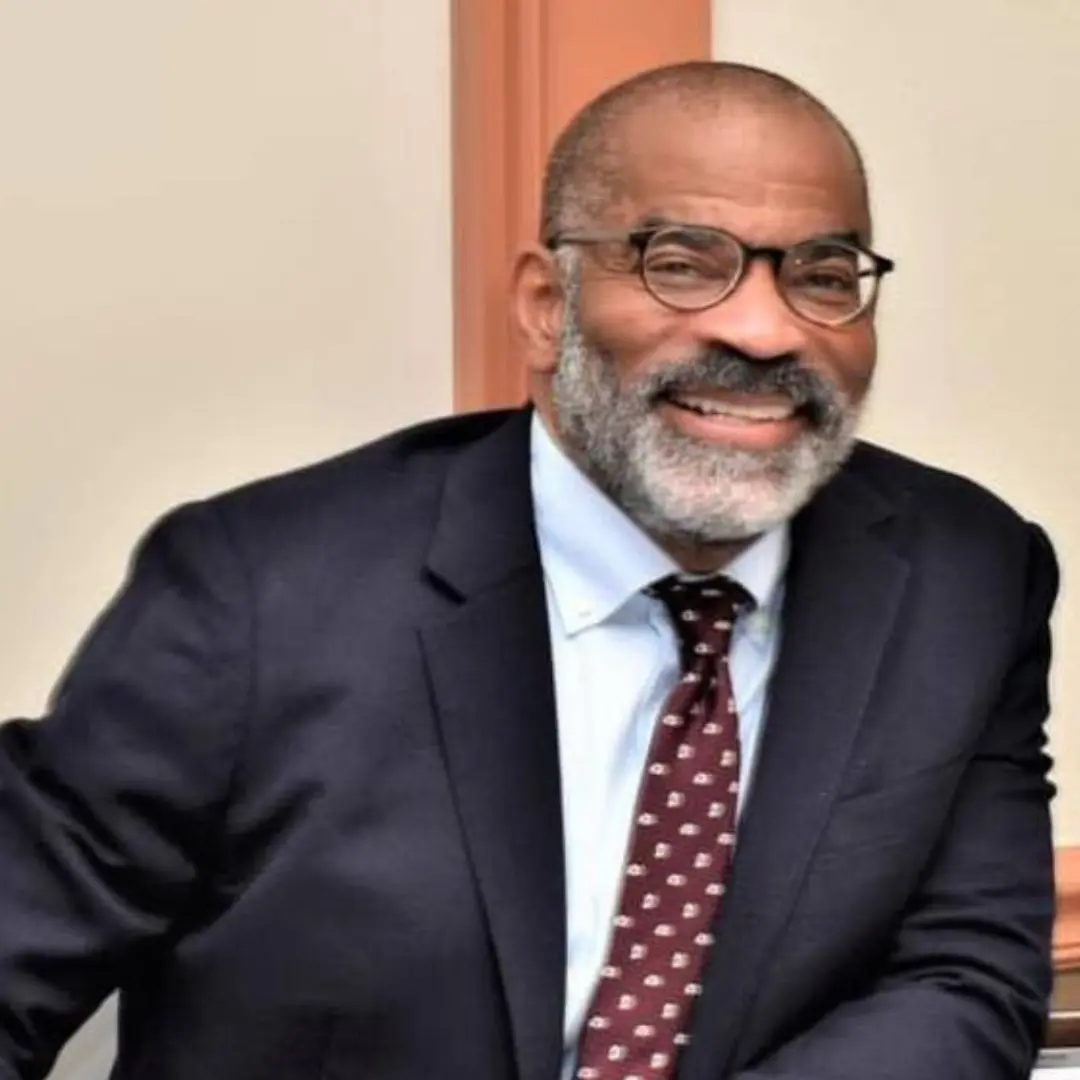
Attorney
CorporateFormer Silicon Valley corporate counsel. Structures complex transactions, M&A deals, and investment rounds. DEI and governance specialist.

Attorney
IP LitigationIP litigation and brand protection specialist. International IP experience including trade secret strategy. Trademark portfolio management.
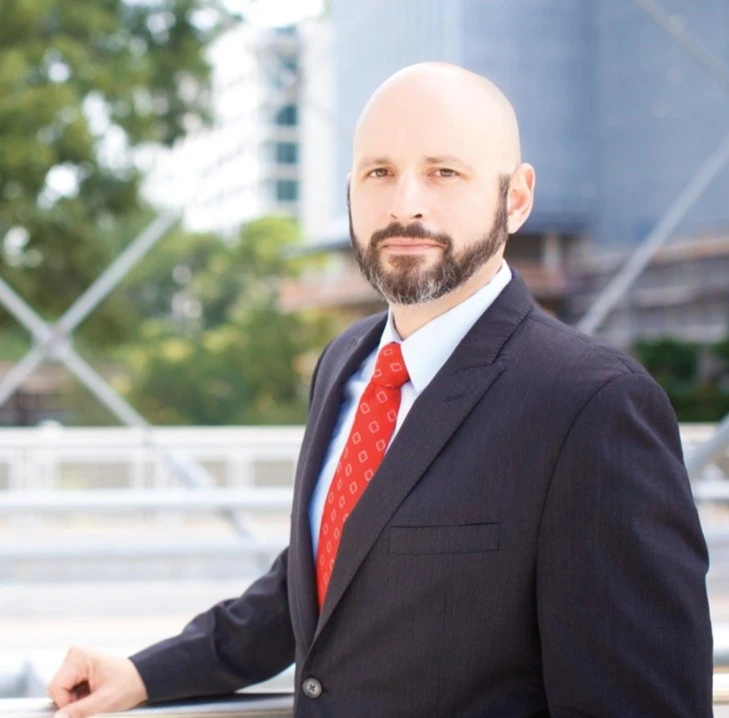
Of Counsel
AdvisoryFormer COO/General Counsel of acquired legal-tech startup. Strategic advisor on operational law, team building, and startup exit planning.

Contract Attorney
CybersecurityNational security and cybersecurity background with 13+ years at NSA. LL.M. in Cybersecurity and Data Privacy Law. Technology law and incident response.

Attorney
Tech & Digital RightsTechnology and digital rights attorney with a computer science background. Experienced in AI, privacy, surveillance, and emerging tech issues.
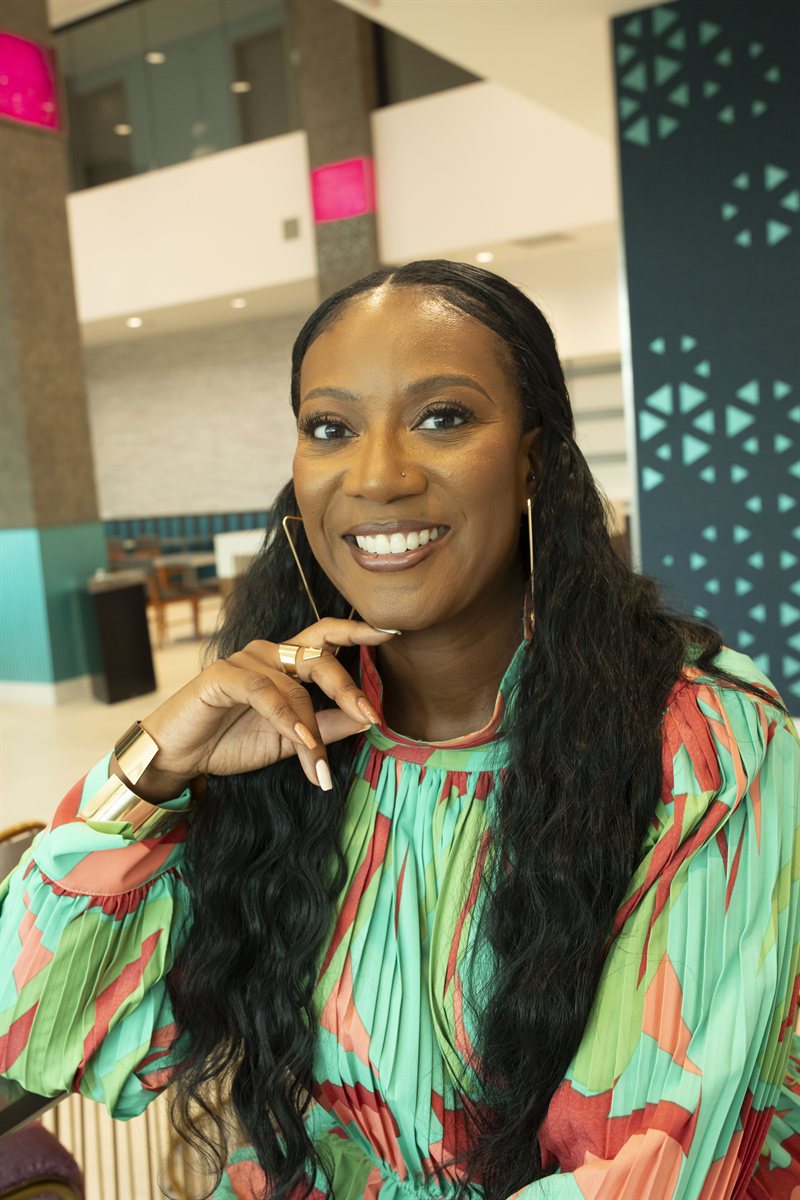
Attorney
IP & BrandFlorida-licensed business and intellectual property attorney with nearly 15 years of experience, focused on trademark, copyright, licensing, and brand strategy for entrepreneurs and growing companies.
Promise Legal delivers legal work up to 80% faster by combining seasoned attorney judgment with engineering-grade infrastructure: our proprietary Recursive™ methodology, an AI-powered research wiki, and automated workflows. We've spent six years building these tools — so clients get the speed of modern technology with the judgment of experienced counsel.
Legal work for clients backed by top accelerators and organizations




Recognized nationally for legal innovation, technology leadership, and community impact
Promise Legal's tech-centric model is redefining modern legal practice.
As Seen In



Plain-English analysis on the legal questions creators actually face — from our attorneys at Promise Legal Insights.
Read articles for CreatorsIf the booking form below doesn't load, schedule directly at book.promise.legal.
Book a consultation to talk through copyright, trademark, licensing, or a contract on your desk.