Brand Deal & Sponsorship Contracts
Sponsorship and brand-deal terms reviewed before you commit.
For Streamers
Brand deals, platform terms, and content rights — the legal side of a creator business.
The legal work behind a creator business you can build a living on.
Sponsorship and brand-deal terms reviewed before you commit.
Own your content and clear the music, clips, and assets you use.
Understand the platform terms your income depends on.
Protect your channel name and creator brand.
Stay compliant with disclosure rules on sponsored content.
Form an entity and structure the business behind the channel.
Predictable legal costs with transparent pricing, clear deliverables, and ongoing protection.
Complete trademark protection, one annual fee
Per mark • Government fees not included
Creators and businesses wanting comprehensive brand protection without hourly billing surprises
Monthly registration for prolific creators
Government fees not included
Artists, musicians, and content creators who regularly publish new work
* Subscription and retainer fees cover attorney services only. Clients are responsible for government filing fees. Initial consultation is a one-time discounted rate of $50.
The legal landscape for streamers and video creators is shaped by three forces: platform power (the TOS-mediated relationship between creator and platform), FTC disclosure enforcement (sponsored content rules with real teeth), and the creator's own contracts (brand deals, agency agreements, merchandise, monetization). Each of these has gotten more legally substantive in 2024–2025 than it was even three years ago.
YouTube, Twitch, TikTok, Kick, and every other platform grant themselves broad rights through their terms of service: license to your content, discretion to demonetize, discretion to suspend, discretion to remove. You retain copyright in the underlying work, but the platform's license to past uploads usually survives your departure. The practical implication: never let any single platform become your only audience or revenue stream. Build owned channels (mailing list, direct community, merchandise) alongside platform presence so a single TOS enforcement decision doesn't end the business.
The FTC's Endorsement Guides require clear and conspicuous disclosure of material connections to a brand. "Material connection" includes paid placements, free product, affiliate commissions, equity, and ongoing relationships. "Clear and conspicuous" means visible in the actual viewing experience — at the start of a video, in the first sentence of a caption, audibly stated in a stream — not buried in a description or hashtag. #ad and #sponsored at the start usually work; #sp, #partner, and #collab generally don't. The FTC has been actively enforcing against creators, agencies, and brands in 2024–2025, and state AGs have followed suit.
The terms that matter most in a brand-deal contract: the rights grant (what the brand can do with your content and for how long), exclusivity (are you locked out of competing brands, in what category, for how long), deliverables and approval rights, payment timing (net 30 is becoming net 60 or net 90 in some contracts), FTC disclosure language, content control, IP ownership, morality clauses, and termination triggers. Brand deals routinely contain exclusivity windows that affect future deals more than the headline price suggests. Reading these carefully matters disproportionately.
The most common cause of strikes, demonetization, and DMCA claims is using music or clips you don't have rights to. Platform "royalty-free" libraries (YouTube Audio Library, Epidemic Sound, Artlist, others) handle clearance for you; everything else requires a license. Reaction content, clip channels, and montages have particular exposure. A clearance practice — knowing exactly what every piece of media in your content came from and what license covers it — is a low-cost insurance policy against the worst kinds of platform actions.
Once your channel has brand revenue, merchandise, paid appearances, or any product sales, an LLC separates personal and business assets, makes contracts cleaner, opens better banking and tax options, and signals professionalism. The setup cost is a few hundred dollars. The first time you're sued or have a contract dispute, the entity is what protects your personal accounts from the dispute.
California, Colorado, and other states have begun passing creator-specific laws — disclosure rules for sponsored content, requirements for child influencers (some states now require trust accounts for content featuring minors), and protections for creators against deceptive agency practices. Most apply by the creator's location or audience location; the practical compliance posture is documenting disclosures, retaining sponsored content for review, and treating creator-business obligations as legally real, not just optional.
The line between hobby income and business income matters for IRS treatment, deductible expenses, and entity structure. Creators with diversified revenue (brand deals, ad revenue, subscriptions, merchandise, paid appearances) often benefit from an S-election or a managed structure that limits self-employment tax. The tax planning ties into the entity choice, the books-and-records discipline, and the contract architecture.
Where to go deeper on the rights, contracts, and business behind your channel.
Own your content and clear the music, clips, and assets you use.
PracticeBrand-deal, sponsorship, and platform agreements reviewed before you commit.
GuideProtect your channel name and creator brand.
HubHow we work with every kind of creator — and the legal issues streamers share with them.
Where Promise Legal’s perspective on technology, law, and practice has been published.
Vice President of EFF Austin, advocating for digital rights, privacy protections, and free expression online.
EFF Austin · Ongoing
Read morePromise Legal profiled as a model small firm with an innovative compensation and pay-transparency structure.
ABA Journal · 2024
Read more“If you're not making mistakes, you're not trying hard enough. Ask why not — oftentimes the doubts are based on indigestion more than actual problem.”
Authority Magazine · Sept 2021
Read moreThe attorneys who work with streamers and video creators.

Managing Partner
TechAI & Law specialist. Philosophy and computer science background combined with law degree. Founded Journal of Law & Technology at UT Austin.
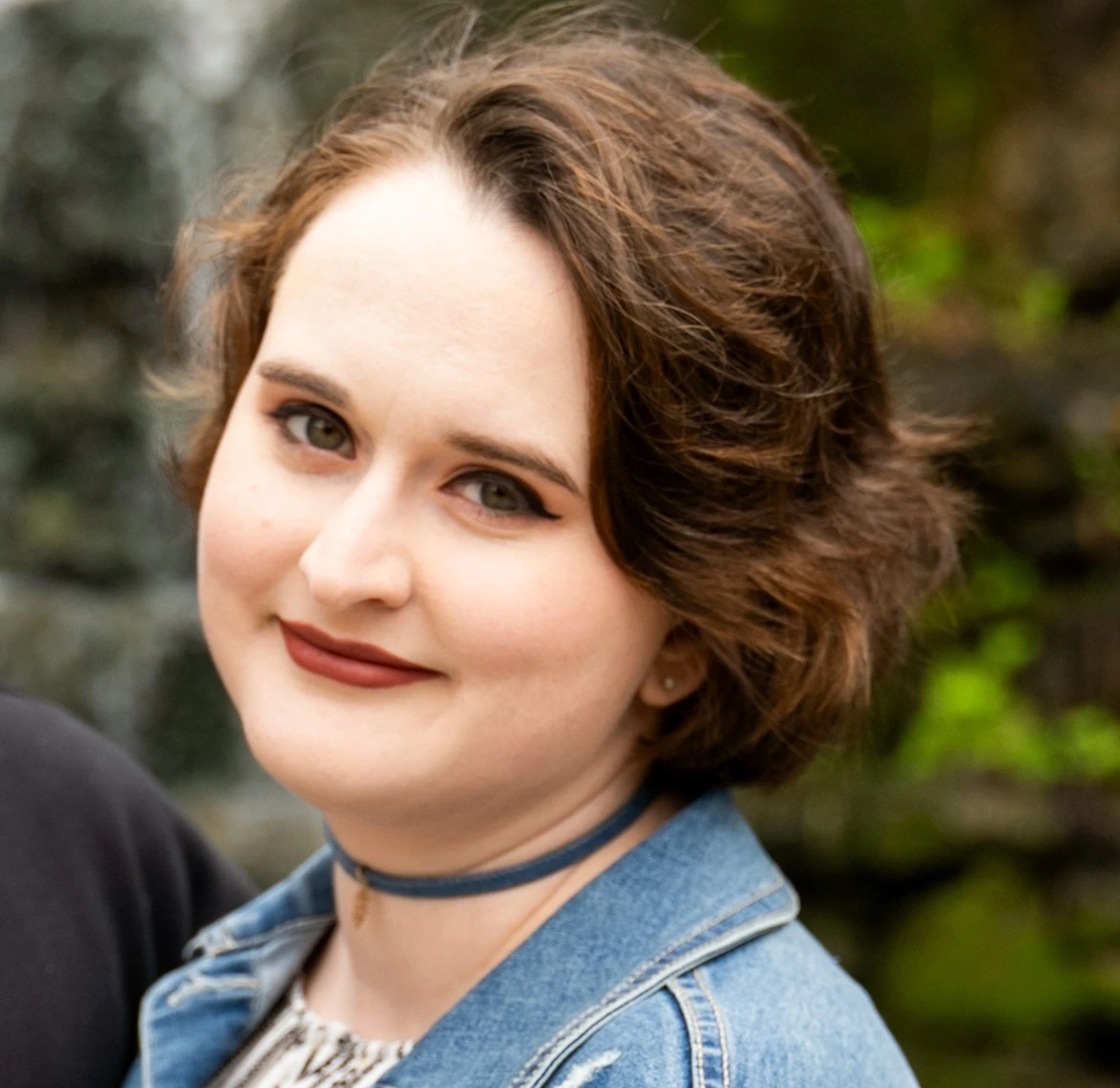
Attorney
IP LitigationIP litigation and brand protection specialist. International IP experience including trade secret strategy. Trademark portfolio management.

Contract Attorney
CybersecurityNational security and cybersecurity background with 13+ years at NSA. LL.M. in Cybersecurity and Data Privacy Law. Technology law and incident response.

Attorney
Tech & Digital RightsTechnology and digital rights attorney with a computer science background. Experienced in AI, privacy, surveillance, and emerging tech issues.
Promise Legal delivers legal work up to 80% faster by combining seasoned attorney judgment with engineering-grade infrastructure: our proprietary Recursive™ methodology, an AI-powered research wiki, and automated workflows. We've spent six years building these tools — so clients get the speed of modern technology with the judgment of experienced counsel.
Legal work for clients backed by top accelerators and organizations





Recognized nationally for legal innovation, technology leadership, and community impact
Promise Legal's tech-centric model is redefining modern legal practice.
As Seen In



Plain-English analysis on the legal questions streamers actually face — from our attorneys at Promise Legal Insights.
Read articles for StreamersIf the booking form below doesn't load, schedule directly at book.promise.legal.
Book a consultation to talk through a brand deal, content rights, or your channel's structure.